Cambridge NeuroWorks: Bridging the Gap Between Lab Innovation and Clinical Reality
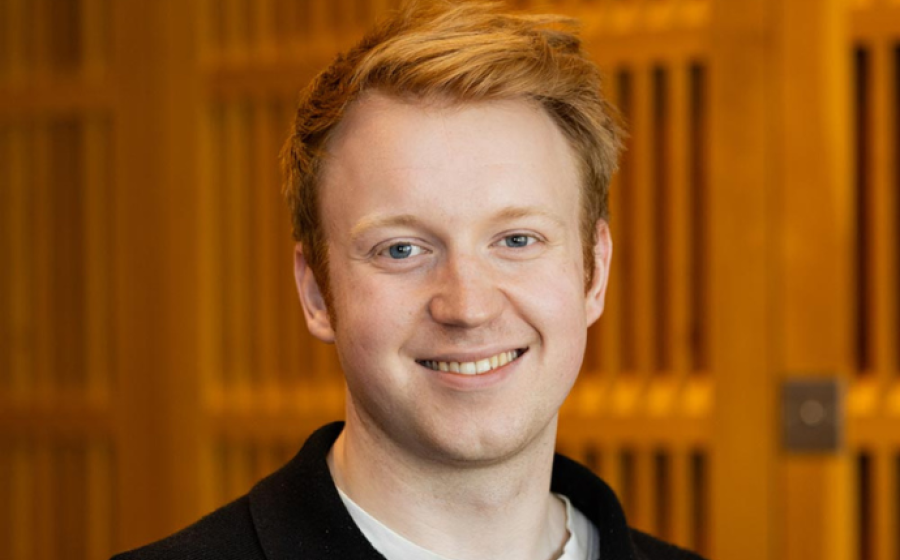
As a Cambridge NeuroWorks Blue Sky Fellow, Jonathan Fisher knows the stakes of developing high-risk medical tech. Backed by institutional support, he’s on a mission to bring Parkinson’s care out of the lab and into the real world.
The power of the Cambridge NeuroWorks network
Interviewer: To start, how has the Cambridge NeuroWorks fellowship influenced the development of your technology?
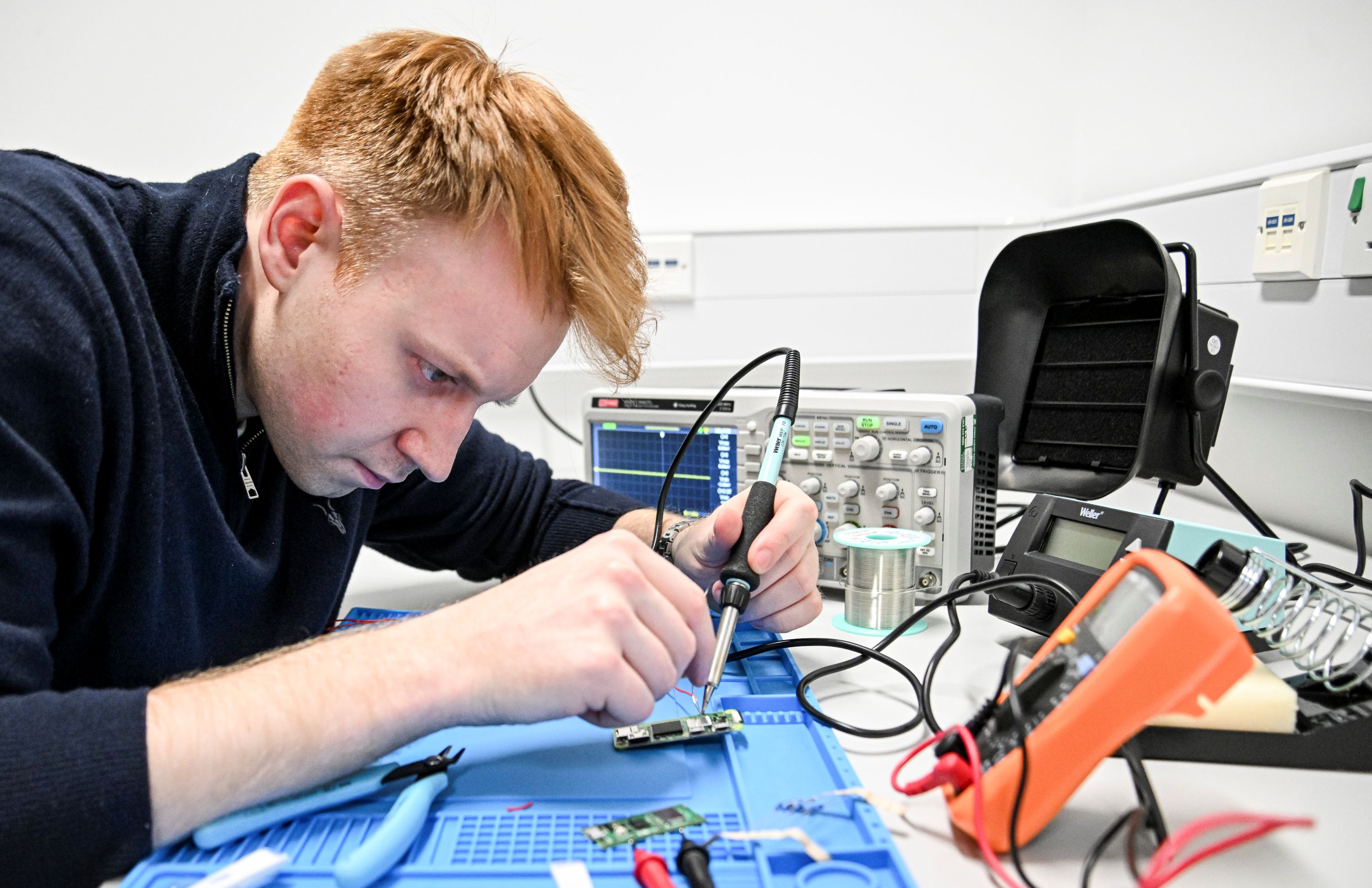
Jonathan: The most significant impact has been the comprehensive support structure. Cambridge NeuroWorks provides the resources, partnerships, and funding necessary to develop an initial idea that, frankly, is a high-risk piece of neurotechnology. My work focuses on a breakthrough non-invasive intervention designed to help people with Parkinson’s overcome freezing of gait—restoring their independence and, most importantly, keeping them safe from falls.
In this field, you need a "five out of five" success rate across funding, networking, regulatory expertise, and clinical access. Even hitting four out of five isn’t enough; it remains incredibly difficult to move forward. Having access to a network of people who have actually built these ventures and know how to navigate the regulatory landscape has been a total privilege. It has given me the confidence to get my foot in the door with clinicians and leverage the incredible resources of the University of Cambridge.
Centring the patient experience
Interviewer: You’ve mentioned the importance of patient involvement. How did you go about gathering requirements for your device?
Jonathan: Much of it began intuitively through my experience with my father, who had Parkinson’s, but I recognized that he is only one person. To broaden that perspective, I reached out to Parkinson’s support groups and networks in the area.
I found that when I explained the "why" behind my work, there was an overwhelming desire to help. It wasn't just a market demand; it was a genuine human willingness to contribute to a solution. People really want to help us get this over the line.
Opening clinical doors
Interviewer: You emphasized collaboration with clinicians. How has the fellowship facilitated those professional connections?
Jonathan: It has been "night and day" compared to working independently. Before joining Cambridge NeuroWorks, I spent six months trying to make headway on my own. Back then, if I emailed a professor at UCL or Oxford, I likely wouldn't get a response.
Now, being able to identify as a Fellow backed by funding and a visiting position at Cambridge changes the conversation entirely. It has allowed me to visit researchers at UCL, Oxford, and Cambridge to gather the data points we need to make the technology attractive for future long-term partnerships.
Navigating the ecosystem
Interviewer: As you’ve navigated the Cambridge ecosystem, how has your perspective on the programme evolved, and what potential have you discovered for further enriching the experience for those who follow?
Jonathan: Walking into an institution with the deep legacy and prestige of Cambridge can initially feel quite overwhelming. There is a natural sense of weight that comes with such a historic ecosystem. However, as I settled into the Cambridge NeuroWorks programme and gained my footing, that initial intimidation transformed into a sense of belonging. I quickly realized that the University isn’t just a collection of grand buildings, but a community of individuals dedicated to your success. Once I found my confidence, I discovered that the support network—from mentors to peers—is incredibly robust, with everyone genuinely invested in helping us navigate our research and maximize our impact.
Interviewer: You also use the Connect: Health Tech platform. How does that compare to traditional networking sites like LinkedIn?
Jonathan: I find Connect: Health Tech very useful because it bridges a specific gap. While many of us use LinkedIn, it can be hard to find specific university professors or reach busy researchers there. Connect: Health Tech feels less intimidating and more open. It’s focused on expertise rather than job seeking, which makes it a much better environment for clinician-focused networking.
Looking ahead: from lab to living room
Interviewer: What is on the horizon for you over the next six to twelve months?
Jonathan: Our primary goal is to take the technology out of the lab. Currently, we are doing a lot of testing in enclosed, controlled environments. Over the next year, we want to validate the device in the real world — testing it in public spaces and simulated home environments where people with Parkinson’s actually spend their daily lives. We need to ensure it is just as effective in the "real world" as it is in a clinical setting.
Update:
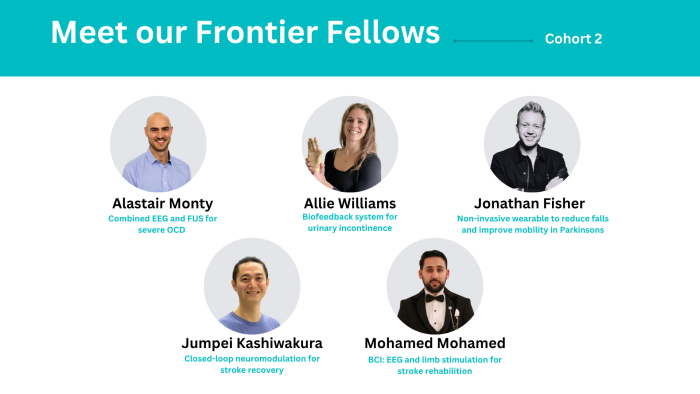
We are delighted to announce that Jonathan Fisher has been awarded a Cambridge NeuroWorks Frontier Fellowship. This award recognizes the significant progress made during his time as a Blue Sky Fellow and provides the framework to further advance his mission of transforming Parkinson's care.